
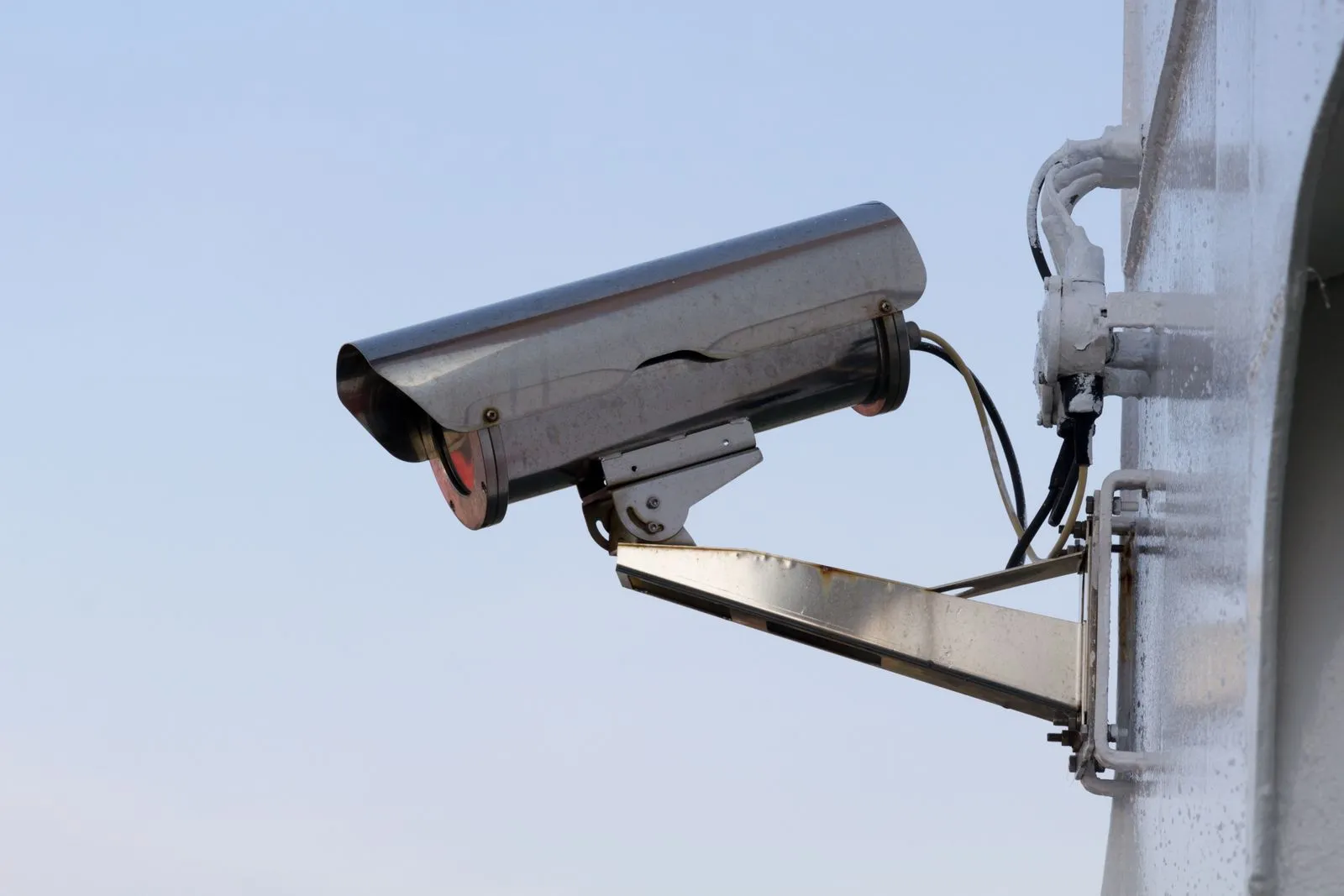
A useful camera plan starts with the areas people approach, not with the number of cameras on a box. For a Dallas home, consider front and back entrances, the driveway, side paths, and any yard access points. Then check what each view actually captures, including lighting, weather exposure, and privacy. A few well-aimed cameras can provide clearer coverage than cameras pointed at the same area. Walk your property at different times of day before choosing locations.
Cover Main Entrances
Place a camera near the front entrance where it can capture a clear view of the approach and the person at the door. Mount it high enough to reduce tampering, but angle it downward enough to show faces rather than only the tops of heads. Check the view from the street and from the doorway; porch roofs, decorations, and nearby trees can block the image.
Cover the back door and other exterior doors that are easy to reach from a yard or alley. If a door sits in a recessed entry, position the camera to see the path leading to it as well as the door itself. Avoid pointing cameras into a neighbor’s windows or private yard. Adjust the framing to keep the useful area within your property.
Watch the Driveway
A driveway camera can show vehicles and people approaching the home. Place it to capture the full driveway entrance and the area where a vehicle is usually parked. Test the view at night, when headlights may create glare or wash out details. A slight angle across the driveway can help show movement better than a camera aimed directly into approaching headlights.
For homes with a side-entry garage or a long driveway, consider whether one camera can cover both the vehicle entrance and the garage door. If not, separate views may be more useful. Keep cameras clear of garage doors, gutters, and branches that could obstruct the lens, and make sure the mounting point is suitable for the camera’s weather rating and power needs.
Check Side Paths and Yard Access
Narrow side yards, gates, and paths between the house and fence can be easy to overlook. Walk the perimeter and note where someone could reach a door, window, or detached garage without crossing the front of the house. A camera aimed along a side path can show movement through the space; avoid placing it so close to a wall or fence that the image becomes mostly a blank surface.
Consider backyard gates, patios, sheds, and other areas that contain valuable equipment or provide access to the home. You do not need to record every corner of the yard. Prioritize routes and entry points, then review the views for dark patches, strong backlighting, or obstructions. Trim vegetation that blocks the view, while respecting property boundaries and other people’s privacy.
Test Coverage Before Installing
Before drilling, use a phone or camera at the planned mounting height to preview each angle. Check daytime and nighttime visibility, including shadows from eaves and glare from porch or landscape lights. Confirm that the camera can connect to your network and receive power where you plan to install it. A practical layout should reduce overlapping views while still covering important approaches.
Think about how you will use recordings: choose a view that can identify activity, not simply show that something happened. Set motion zones to limit alerts from a busy street or swaying branches when the camera allows it. Review the live view after installation, and make small adjustments as needed. Keep the equipment accessible for cleaning and maintenance without making it easy to reach from the ground.
Start with the doors and vehicle access points, then fill gaps along side paths and yard entrances. Test each angle before mounting and review the view in both daylight and darkness. If you want help planning coverage for your property, Dallas Secure Systems can discuss camera placement and installation options.